
Home • Procedures • Facial Plastic Surgery • Deep Plane Facelift
Deep Plane Facelift in New Jersey

Revitalize Your Look With a Deep Plane Facelift
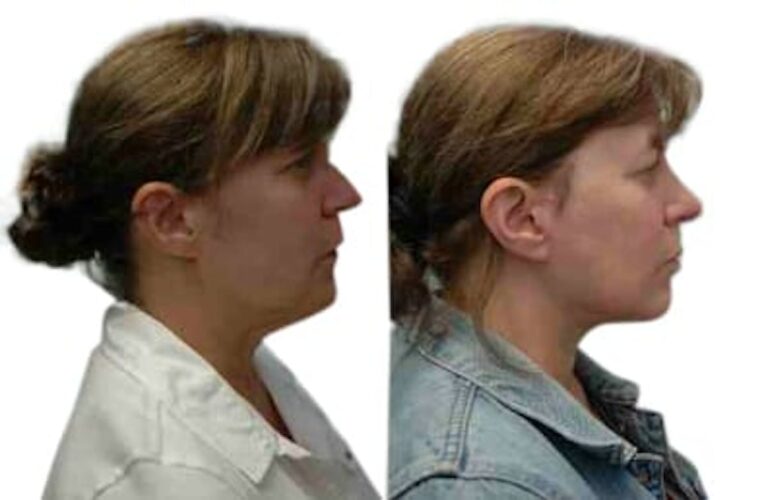
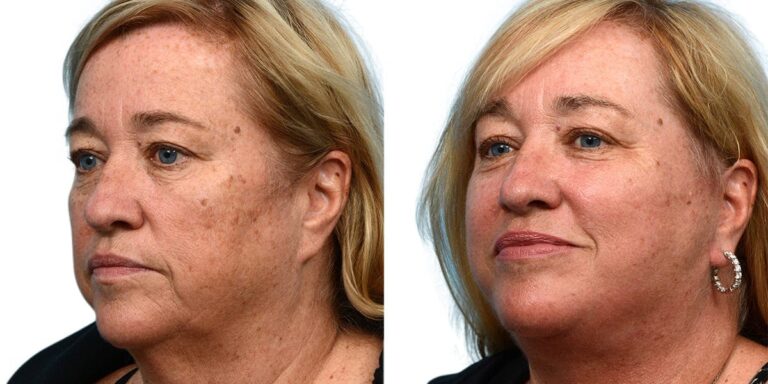
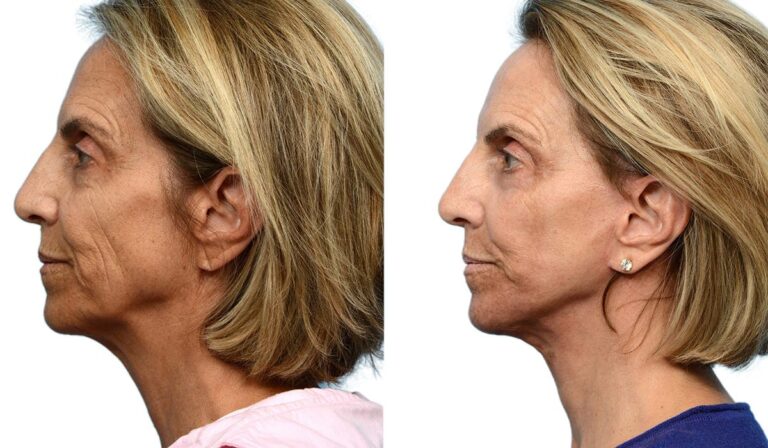
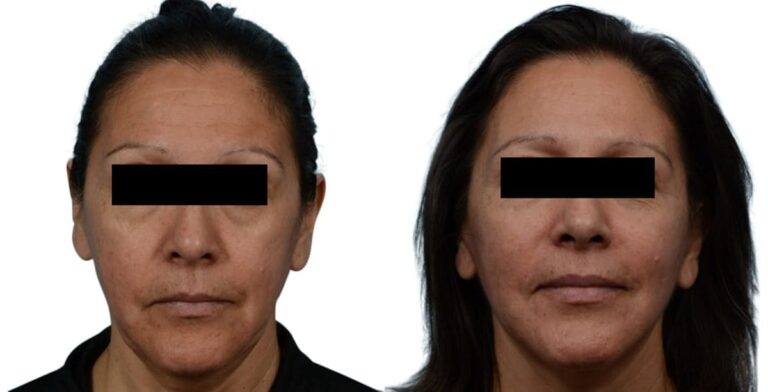
When it comes to facial aging, few procedures are more sought after than a facelift. This cosmetic treatment can address everything from sagging skin and jowls to fine lines and wrinkles, taking years off one’s appearance. While a “full” facelift remains the industry standard, alternative iterations have become popular in recent years. A deep plane facelift in NJ can achieve all of the results of a standard facelift and more. This procedure works by releasing ligaments in the face and repositioning the tissues in the deeper layers of the face’s musculature. The result is a revitalized face without an overly “tight” look.
Procedural Video Deep Plane Facelift: Explanation with a Double-Board Certified Facial Plastic Surgeon
What is a Deep Plane Facelift?
A deep plane facelift is a unique procedure that can reverse facial aging while still preserving the patient’s natural beauty. Many specialists in the field of cosmetic plastic surgery believe that the results of a deep plane facelift may even last longer than the results of a traditional facelift.
The term “deep plane” refers to the layer of tissue situated between the SMAS-platysma complex (composed of muscle and fascia) and the overlying facial muscles, which are responsible for our facial expressions. Instead of tightly pulling the skin to create a youthful aesthetic, this procedure releases and repositions the deeper layers of muscle and fat for a tension-free lift.
Dr. Wise utilizes a 3D Vectra imaging system to gain a better understanding of the patient’s facial contours and curate a treatment plan that best suits them. This technology also allows patients to see a visual representation of what their results will look like.
What Are the Benefits?
- A holistic treatment that refines the overall facial structure
- Tightens the underlying musculature of the face
- Avoids pulling the skin too tightly, keeping the face looking natural
- Suitable for patients of any age
- Can take as many as 15 years off of a person’s appearance
- Provides patients with a major boost in self-confidence






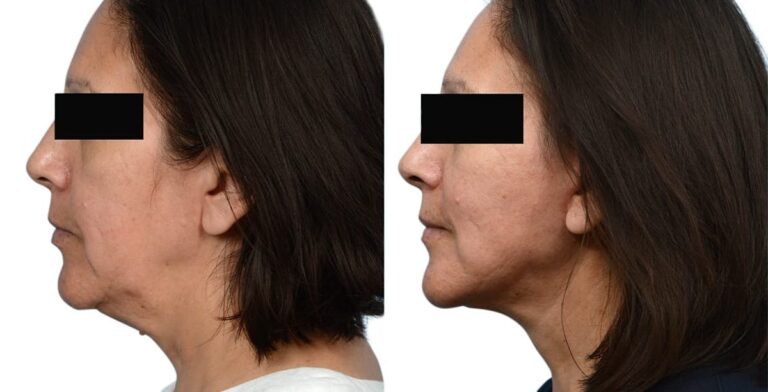
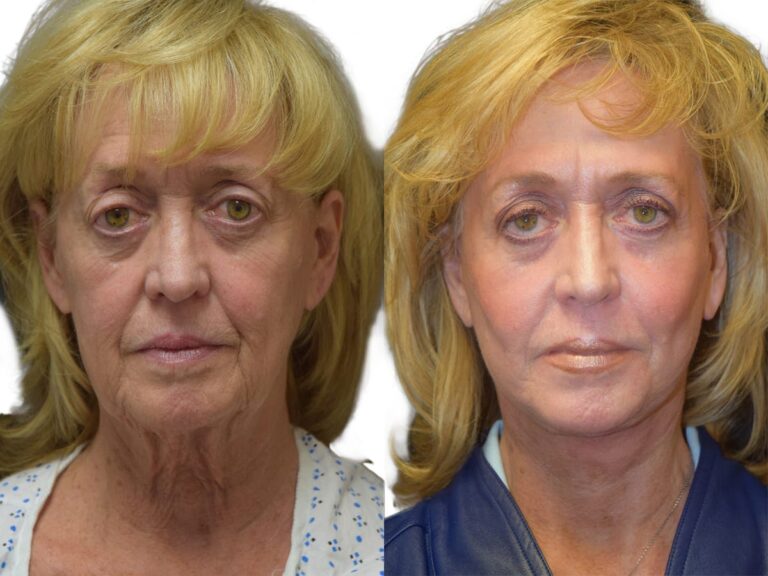
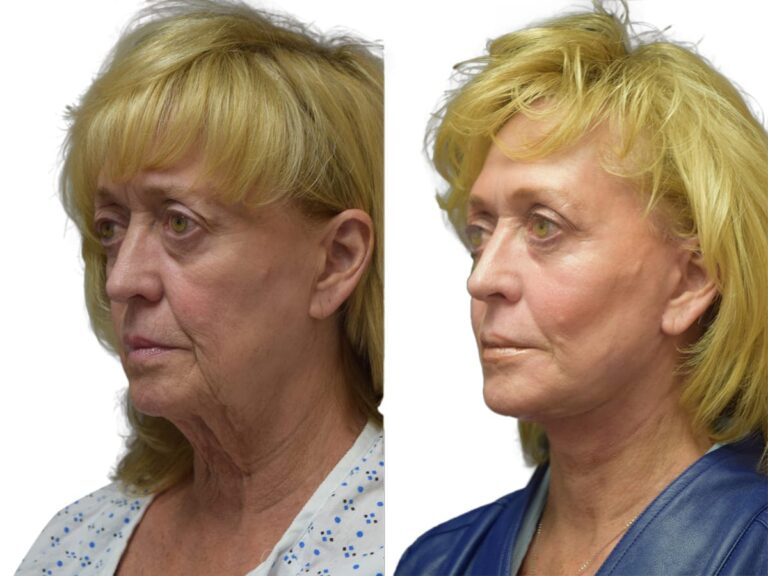
Who is an Ideal Candidate for a Facelift Procedure?
A deep plane facelift is a great option for younger patients who want to get a head start on signs of aging. That said, it is also a great protocol for older patients who are already experiencing more pronounced signs of aging, such as sagging skin and volume loss.
Ideal candidates for a Deep Plane Facelift in New Jersey will meet the following criteria:
- Are in good physical and mental health
- Are a non-smoker or are willing to quit prior to the procedure
- Have realistic expectations for the results of the treatment
- Are struggling with sagging skin in the face
- Are experiencing hollow areas in the face due to volume loss
- Have developed jowls or a double chin, leaving them with a distorted jawline
Deep Plane Facelift, Chin Implant, and CO2 Laser Skin Resurfacing
How to Prepare for a Deep Plane Facelift:
Patients should stop smoking, drinking alcohol, or taking any blood thinners at least two weeks prior to the surgery. Aspirin and Ibuprofen are examples of blood thinners. These medications can lead to excessive bleeding during the procedure.
Patients need to arrange to have someone drive them home from the procedure, as they will still be under the influence of anesthesia and unable to drive themselves. It is also a good idea to go grocery shopping to ensure that the house is fully stocked with food. Meal prepping is also a good idea, as patients will be mostly immobile for the first few days following the procedure. Cooking will not be feasible.
What is the Procedure Like?
Like a traditional facelift, a deep plane facelift uses incisions hidden behind the ears and within the hairline. However, instead of lifting just the skin, it adjusts the deeper facial muscles and tissues as one unit, allowing for a more natural, full-face rejuvenation.
Dr. Wise releases key facial ligaments—such as the zygomatic, masseteric, and mandibular—to lift the cheeks, soften nasolabial folds, reduce jowls, and redefine the jawline. Because the deeper layers are repositioned without pulling the skin, results are smoother, more natural, and come with a quicker recovery.
What is the Recovery Process Like?
Following your deep place facelift, light cotton dressings are applied to the treatment area, which must be kept on for 24 hours. You will receive prescription pain medications to help mitigate discomfort for the first few days following the procedure.
It is totally normal for patients to experience temporary numbness, bruising, and tightness in the face for a few weeks. Most patients can get back to their usual routines after 10 to 14 days. Physical activity can be resumed after a period of three to four weeks, but strenuous activity (such as exercise) may need to be avoided for a bit longer.
Why Choose Dr. Wise for a Deep Plane Facelift in New Jersey?
For years, double board-certified plastic surgeon Dr. Wise has provided his clients in New Jersey with some of the most cutting-edge cosmetic care available. His highly effective surgical techniques combine his educational background and artistic sensibilities to achieve outstanding results. He is known for achieving results that accentuate his patients’ beauty, achieving their results while preserving their natural features. Contact our office today to schedule a private consultation and learn more about our Deep Plane Facelift in New Jersey.
How Much Does a Deep Plane Facelift Cost?
As with any surgical procedure, the cost of a Deep Plane Facelift will vary from region to region. Beyond that, various factors can affect the overall price. The extent of work performed, as well as complementary procedures, can all affect the total cost of the treatment.
In recent years, non-surgical treatments have been touted as a more cost-effective alternative to surgery. In reality, these treatments require a lot of upkeep. Patients who choose the route of a Deep Plane Facelift will have the peace of mind that no follow-up treatments will be necessary. Some factors that can affect the final price include the following:
- Surgeon’s fees: While choosing a more qualified surgeon can be pricey, patients must keep in mind that surgery should not be taken lightly. Prioritizing results over savings is highly recommended with any surgical procedure. Those who choose to work with Dr. Wise will be getting some of the safest and most effective care available.
- The complexity of the surgery: More complex treatments will generally be more expensive than similar ones.
- Anesthesia: Anesthesia fees have an impact on the price of any procedure. Dr. Wise will provide more information regarding anesthesia fees during the private consultation.
- Lab testing: Patients will usually need to undergo some lab testing before the procedure to determine their candidacy. These tests are vital for safeguarding against any potential issues that could arise during surgery.
- Post-surgical costs: After the procedure, patients will be fitted with post-procedural garments. There are also prescription and follow-up appointment fees to consider. More information regarding these costs will be provided during the private consultation.
Deep Plane Facelift: Explanation + Before and Afters
FAQ
Answers to Common Questions
Will my results look natural?
Yes. One of the key benefits of a deep plane facelift is that it avoids tension on the skin, leading to smoother, more natural-looking outcomes that move and age gracefully with you.
How long do the results of a deep plane facelift last?
Results typically last 10–15 years, often longer than traditional facelifts, thanks to the repositioning of deeper tissues rather than relying on skin tension alone.
Is a deep plane facelift more risky than other techniques?
While technically more complex, it’s safe in the hands of an experienced, board-certified facial plastic surgeon. The approach preserves facial nerves and minimizes trauma when performed correctly.
Why choose a deep plane facelift over less invasive options?
While non-surgical treatments offer subtle improvements, a deep plane facelift provides dramatic, long-lasting rejuvenation that non-invasive methods simply can’t match—especially for advanced aging.
Is a deep plane facelift painful?
Discomfort is typically minimal and well-managed with prescribed pain medication. Most patients report mild soreness or tightness rather than significant pain during the initial recovery period.
Will I have visible scars after a deep plane facelift?
Incisions are carefully placed in natural creases around the ears and hairline, making scars discreet once fully healed. Over time, they typically fade and become barely noticeable.
Can a deep plane facelift correct volume loss in the face?
While it repositions deep tissues for a more youthful contour, volume restoration is often enhanced by combining the procedure with fat grafting or fillers for optimal results.